Managing roofs across multiple industrial properties requires a two-tiered process. You must compare very different buildings, each with its own age, condition and use. Then, you must decide where to spend limited roof repair and replacement funds first. Without a consistent way to evaluate every property, funding often gets allocated in the wrong areas. The facility generating the loudest complaints over the condition of their roof or that has the most visible damage may actually be a lower priority than a facility where a failure would cause the greatest disruption to your operations.
Failing to have a structured evaluation process for prioritizing roofing work across your industrial facilities can leave a high-risk roof unaddressed while lower-priority repairs get funded first. By developing and implementing an effective process, you’re able to compare roofing services for industrial properties across your entire portfolio and direct funding to the facilities where it actually reduces the most risk.
Gather Consistent Data on Every Property
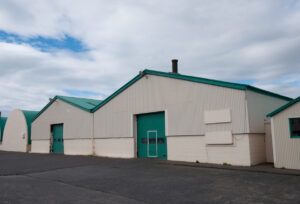 Comparing roofs across multiple properties requires evaluating a consistent set of factors. Otherwise, it will be very hard to ensure your priority order for roofing work reflects the actual risk to your facilities and your operations.
For each property, you should evaluate the following factors:
- Roof age and installation date
- Roofing materials used
- Warranty status and expiration date
- Drainage condition
- Repair history
- The purpose of the space below the roof, such as production, storage or tenant occupancy
When you compare the same set of factors for each property, it allows you to develop a consistent rankings system that can be objectively compared across all of your facilities. Once you have a method to objectively evaluate the needs of each property, it becomes much easier to determine the right way to prioritize roofing work.
Assess the Risk of Delaying Roof Work at Each Property
When prioritizing roof work across multiple properties, you must assess the risk delaying roof work poses at each facility. The factors that impact the urgency of roof work include:
- Safety and structural risks to the building and your staff
- Severity of water intrusion and the impact it has on your building and operations
- Likelihood of a roof failure requiring a full roof replacement
- Cost of waiting to address the issue
Evaluating each property against these same factors provides you with an objective comparison. This becomes the basis for sorting your properties into priority tiers.
Sort Your Properties Into Priority Tiers for Upcoming Roofing Work
Sorting properties into priority tiers for upcoming roofing work requires two separate assessments. The first assessment ranks each property based on the physical condition of its roof. The second assessment adjusts that ranking based on the specific consequences a roof failure would have at that specific facility.
Prioritize Roofing Projects According to Categories Based on Roof Condition
The roof’s condition places each property into one of four tiers:
- Emergency – Active roof leaks, structural concerns or safety hazards. This tier requires action within days.
- Urgent – Recurring leaks or significant deterioration to the membrane and flashing. This tier requires repair within the current quarter or before the next severe weather season.
- Planned Replacement – A roof approaching the end of its service life or with rising repair frequency. This tier is scheduled for replacement or major roof restoration over the next one to two years.
- Monitor – A roof in sound condition with only minor, low-risk issues and adequate remaining service life. This tier is tracked through routine roof inspections.
Adjust Your Rankings to Account for the Impact on Each Facility
Once a property has a tier based on roof condition, the impact of a failure at that facility can move the property up or down as many tiers as the situation warrants.
A property where a roof failure would immediately disrupt production, damage critical equipment or put sensitive inventory at risk moves to a higher tier than its roof condition alone would suggest. A property where a roof failure would have little effect on operations can move to a lower tier, even when the deterioration of its roof condition is more advanced, since directing resources there provides less benefit than directing them toward a property where failure would cause greater disruption.
For example, a roof nearing the end of its service life with rising repair frequency would normally land in Planned Replacement based on condition alone. If that roof sits above a production line that can’t tolerate any downtime, it moves up two tiers to Emergency, since any failure would immediately disrupt operations.
In a different case, a roof with recurring leaks and worsening flashing damage would normally land in Urgent based on condition alone. If that roof sits above an unused storage area inside the facility with no equipment or inventory at risk, it moves down one tier to Planned Replacement, since your operations won’t be impacted in a meaningful way if delaying the roofing work causes damage to the space below it.
Turn Your Priority List into a Workable Schedule
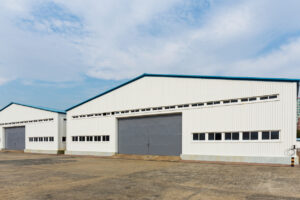 A property’s tier determines how urgent the roofing work is, but it doesn’t provide clarity regarding the specific priority order for facilities within the same tier. When scheduling roofing work, you must also account for the level of disruption each facility’s operations can tolerate, and the timing needs of every other industrial facility you manage.
When determining the exact priority order for all your roofing projects:
- Schedule roofing work at facilities that are highly impacted by disruptions during a planned shutdown or their slowest time of year
- Prioritize the roofing projects within each tier based on the impact a continued delay will have on each facility’s operations
- Avoid making a facility with limited scheduling flexibility wait behind one that can more easily adjust its timing
- Check each facility’s planned downtime before finalizing your schedule, and aim to complete as many projects as possible while operations are already paused
Build a Multi-Year Roofing Budget
Your priority tiers should help you develop a roofing project funding plan that spans several years. Structure your roofing budget around the following timeline:
- Fund projects for properties in the Emergency and Urgent tiers now, since delaying them increases both risk and cost
- Schedule funding for properties in the Planned Replacement tier over the next one to two years
- Track properties in the Monitor tier without dedicating funding to them yet, since their timeline for repair or replacement isn’t certain
- Maintain a reserve fund for unexpected roof failures or storm damage, since a property can move into a higher tier without warning regardless of its current classification
Haselden Commercial Roofing Can Help
If you need to schedule roofing work across multiple industrial properties, Haselden Commercial Roofing can help you develop a plan to ensure the projects are prioritized properly. We’ve been providing comprehensive roofing services for industrial facilities for over 50 years, and we understand the complex factors that impact the order in which these projects should be performed.
We’re committed to becoming your dedicated roofing partner. This long-term relationship offers you several important benefits. Our team will develop a deeper understanding of the different properties you manage. We’ll have the knowledge of the roofing conditions and operations being performed at each building to recommend the proper plan for addressing all roofing needs at each facility, ensuring all urgent work is prioritized over less critical projects.
We’re a subsidiary of Haselden Construction, a third-generation, family-owned Colorado business serving the Denver area for over 50 years. This affiliation allows us to keep all work in-house, providing you faster turnaround times, a smoother process and highly competitive pricing. You’ll also receive the exceptional quality work Haselden has built its reputation on.
Contact us today to schedule a roof assessment. Haselden Commercial Roofing serves warehouses and industrial facilities in Denver and throughout the Rocky Mountain region.
Multi-Property Roof Project Management FAQs
How do you prioritize roof repairs across multiple properties?
Prioritizing roof repairs across multiple properties requires two assessments. First, rank each roof in a series of tiers based on its physical condition. These tiers should range from an active safety or structural issue that needs immediate attention to a roof in sound condition that only needs routine monitoring. Second, adjust that ranking based on the impact a roof failure would have on that property. For example, a facility where a failure would disrupt production or put equipment and inventory at risk may need to move up in priority even if its roof condition alone wouldn’t place it in that tier.
What factors determine the priority of roofing projects across multiple industrial properties?
The priority of roofing projects across multiple industrial properties is determined by evaluating the risk of delaying roof work at each property. This includes safety and structural risks to the building and staff, the severity of water intrusion and its impact on the building and its operations, the likelihood a roof failure will require a full replacement, and the cost of waiting to address the issue.
How do you schedule roofing work across multiple facilities?
Scheduling roofing work across multiple facilities requires accounting for the level of disruption each facility’s operations can tolerate and the timing needs of every other property you manage. This includes scheduling facilities that are highly impacted by disruptions during a planned shutdown or their slowest time of year, prioritizing among projects with similar urgency based on the impact continued delay would have on each facility’s operations, and completing as many projects as possible while a facility’s operations are already paused for other reasons.
How should you budget for roofing work across multiple properties?
Budgeting for roofing work across multiple properties requires a funding plan that spans several years. Fund the properties with the most urgent safety, structural or active leak issues now. Schedule funding for properties approaching the end of their roof’s service life over the next one to two years. Track properties in sound condition without dedicating funding to them yet, since their timeline for repair or replacement isn’t certain. Maintain a reserve fund for unexpected roof failures or storm damage.