Your industrial facility’s roof faces ongoing wear over its lifespan, and it needs regular attention to keep it watertight and structurally sound. A proactive maintenance plan gives you a defined schedule for inspections and a clear process for addressing repairs before they grow into bigger problems. Without a structured roof maintenance plan, repairs typically cost more and are more likely to disrupt your facility’s operations.
Establish Your Roof’s Baseline Condition
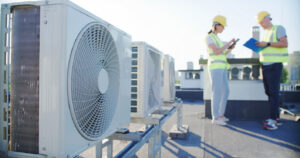 A proactive maintenance plan starts with a comprehensive roof assessment performed by a qualified roofing company. This assessment should cover the entire roof system, including the:
- Membrane
- Drainage
- Flashing
- Rooftop equipment
Your roofing company should document the roof’s:
- Current condition
- Materials
- Age
- Existing problems or defects
This assessment should also produce a prioritized repair list, ranking existing issues by how urgently they need attention. Every other part of your maintenance plan builds on this information and requires you to understand the current condition of your roof.
Establish a Routine Inspection Schedule
Most industrial roofs benefit from two scheduled inspections a year, typically during the spring and fall. A spring inspection identifies any damage caused by winter weather, and a fall inspection ensures your roof is prepared to withstand the harsh winter conditions coming soon. Each inspection should cover the same components addressed in your baseline assessment.
Severe weather events such as hail, high winds or heavy snow can often result in extensive damage your roof. Your maintenance plan should include an inspection after any of these events, rather than waiting for your next scheduled visit. Identifying this damage promptly ensures it gets addressed before it impacts your building’s structure and disrupts your facility’s operations.
Document Every Inspection and Repair
Every inspection and repair should be documented. This documentation should include:
- Date of inspection or repair
- Findings, if any issues are detected
- Photos of any problem areas
- A description of the work performed
This record shows how specific areas of your roof change over time, helping you identify patterns such as a recurring leak point or a section that’s deteriorating faster than the rest of the roof.
This documentation also protects your ability to file a warranty claim. Many manufacturer warranties require proof of regular maintenance and documented repairs to remain valid, so a gap in your records can put your warranty coverage at risk when you need it most.
Address Minor Issues Before They Escalate
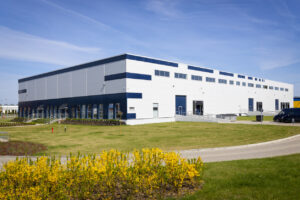 Routine inspections often turn up minor issues such as small punctures, open seams or minor flashing separation. These openings allow water to enter your roofing system gradually, and over time that moisture spreads under the membrane, saturates the insulation beneath it, and can eventually reach your building’s interior or structural deck.
Addressing these issues as soon as they’re found, without waiting for your next scheduled inspection, keeps repair costs low and prevents this kind of moisture damage from reaching a larger part of your roofing system.
Establish a Priority Order for Major Repairs
When your roof assessments identify multiple issues, you need a clear system for deciding which repairs to complete first. Sorting issues into priority tiers helps you allocate your budget and schedule roof repairs based on the actual risk each issue poses to your industrial facility.
The following guidelines will help you prioritize your upcoming roof repairs:
- Priority 1 (Immediate Action Required) – This tier includes active leaks, unsafe conditions, blocked primary or overflow drainage, or other significant damage that can affect your facility’s operations.
- Priority 2 (Repair Within the Next Maintenance Cycle) – This tier includes issues likely to become a leak soon, such as open seams, damaged flashing or small punctures.
- Priority 3 (Monitor at Regular Inspections) – This tier includes non-urgent items that may need attention down the road, and these should be tracked at each regular inspection to determine when a repair becomes necessary.
Plan a Roofing Budget
Your roofing budget should account for three distinct types of cost:
- Routine inspections, minor repairs and documentation are predictable expenses that belong in your budget as a recurring line item each year.
- Your priority tiers also give you visibility into upcoming Priority 1 and Priority 2 repairs. Funding these repairs before they become urgent keeps them from turning into an unplanned expense.
- Your baseline assessment and ongoing inspections give you an estimate of your roof’s remaining service life. Building this estimate into your budget lets you plan for a full roof replacement years in advance and avoid treating it as a sudden, unexpected expense.
Build a Relationship With a Dedicated Roofing Partner
Working with a dedicated roofing partner for all your industrial facility’s roofing needs helps streamline your maintenance plan and improve the service you receive. It gives them direct knowledge of your roof’s materials, history and past problem areas. That knowledge helps your roofing company identify developing issues faster, and recommend repairs consistent with your roof’s existing materials and repair history.
A dedicated roofing partner also already has your documentation on file, which makes each new inspection and repair easier to plan and execute. This consistency is what allows your maintenance plan to function as a coordinated system, with each visit building on everything your partner already knows about your roof.
Haselden Commercial Roofing Can Help
If you’re looking to develop a proactive roof maintenance plan at your industrial facility, Haselden Commercial Roofing can help. We’ve been providing comprehensive roofing services for warehouses and industrial facilities for over 50 years, and our team has the experience necessary to help you maximize your roof’s performance throughout its lifespan.
As your dedicated roofing partner, our team will work to build a long-term relationship with your facility, allowing us to better understand your roofing needs. This detailed knowledge will help us recommend the proper maintenance plan and inspection schedule for your facility. Our team can assist with all your roofing projects throughout its lifecycle, including regular inspections, ongoing maintenance, one-off repairs and eventual roof replacement. This ensures all your roofing work is performed consistently and according to the same high standards.
We’re a subsidiary of Haselden Construction, a third-generation, family-owned Colorado business serving Denver and the Rocky Mountain region. Our affiliation with Haselden provides us with the vast resources necessary to keep all work in-house. You’ll benefit from faster turnaround times, a more streamlined process and competitive pricing. In addition, you’ll have peace of mind knowing that the job will be performed correctly and all work will adhere to Haselden’s exacting quality standards.
Contact us today to find out how we can assist you with your ongoing roof maintenance needs. Haselden Commercial Roofing serves industrial facilities in Denver and throughout the Rocky Mountain region.
Industrial Roof Maintenance FAQs
What is a proactive roof maintenance plan?
A proactive roof maintenance plan is a structured process for inspecting, documenting and repairing a roof on a regular schedule. It includes a baseline assessment of the roof’s current condition, routine inspections at set intervals, prompt repair of minor issues and a defined system for prioritizing major repairs before they become urgent.
What should an industrial roof maintenance plan include?
An industrial roof maintenance plan should include a baseline roof assessment, a routine inspection schedule, documentation of every inspection and repair, prompt attention to minor issues, a priority system for major repairs, a roofing budget and a consistent roofing partner who understands the roof’s history.
How often should an industrial roof be inspected?
Most industrial roofs should be inspected twice a year, typically in spring and fall, in addition to an inspection after any severe weather event such as hail, high winds or heavy snow.
How should industrial facility roof repairs be prioritized?
Roof repairs at an industrial facility should be prioritized into three tiers. Active leaks, unsafe conditions, blocked drainage or significant damage that affects facility operations require immediate action. Issues likely to become a leak soon, such as open seams, damaged flashing or small punctures, should be repaired during the next maintenance cycle. Non-urgent items that may need future attention can be monitored during regular inspections.
Why is documentation important for roof maintenance?
Documenting every inspection and repair creates a record that shows how specific areas of a roof change over time, helping identify patterns such as a recurring leak point or a section deteriorating faster than the rest. This documentation also supports warranty claims, since many manufacturer warranties require proof of regular maintenance to remain valid.
How much does industrial roof maintenance cost?
The cost of an industrial roof maintenance plan varies based on the roof’s size, age, materials and current condition. A structured maintenance plan is generally far less expensive than the cost of reactive repairs, emergency service calls or an early full roof replacement that results from deferred maintenance.