A failed roof on your industrial facility can have expensive consequences. Damaged equipment. Damaged merchandise. Possible serious mechanical or slip-and-fall injuries. A shutdown for repairs at the worst possible time.
Learning to identify the early signs of industrial roof failure can help you head off these problems. You can protect your valuable equipment and merchandise and avoid workplace safety problems. Plus, you can schedule maintenance, repairs, and, if necessary, replacement, around your schedule.
Having a regular roof inspection by a professional is a great investment in protecting your roof. However, it can also be helpful to know the early signs of industrial roof failure so you can detect failure that occurs between inspections.
Look for Discolored Spots and Bubbling Paint
One of the simplest signs of roof failure you can spot is impacts on the interior ceiling. Water infiltrating through your roof can lead to discoloration in the roof. This can be because of water staining on the material, or it might be mold or mildew growing. Sometimes, water will cause the paint to disconnect from the ceiling, which will make the paint look like it’s bubbling.
Water can also infiltrate past the ceiling and cause damage on the walls or even the floor. If you see water damage on the walls or floor that you can’t explain from other sources, investigate your roof.
Check for Corrosion Near Roof Vents and Exhaust Fans
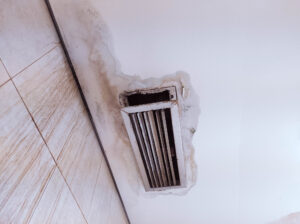
Water infiltrating through the roof can also cause corrosion of metal objects embedded into the ceiling, such as vents and exhaust fans. If you don’t have sources of corr
osion in the room where the vent or fan is located, suspect water.
A professional inspection can tell you if the source of water is a failing roof or perhaps problems with the vent or fan assembly itself.
Look for Sagging Ceilings
Water causes several problems that can lead to sagging roofs. First, water can make drywall heavy. This means that the securements that held it in place before are no longer sufficient, and the roof can begin to sag. Water can also cause drywall nails or screws to rust away so that they aren’t providing the support they used to.
Even in non-drywall ceilings, excess water can lead to sagging. Plaster is also prone to swelling and sagging when it gets wet. Water can soak into and warp boards supporting ceiling tiles. This can make the ceiling tiles sag or even fall out.
Check the Alignment of Roof- and Ceiling-Mounted Elements
The presence of water can cause elements in the ceiling to warp or corrode. You might not see the water, but you might notice its effects. If ceiling-mounted sprinklers, task lighting, or other aligned elements in the ceiling are shifting, you should investigate whether there’s a water source causing the problems.
The same can be true for external roof-mounted elements. If the alignment of vents, masts, or pipes has changed, it could be a sign that there are larger problems in your roof.
Monitor Humidity in the Facility
You might not see the presence of additional water in the facility, but you might feel it. If a room is more humid than others in the facility, especially if that’s a new phenomenon, there’s a good chance that water is getting into the room somehow. The odds are good that the roof is the source of the water.
Check for Irregular Shapes in the Roof
It’s not a bad idea to get up on the roof yourself if you can do it safely. If you do, then you should walk up and down along it. You should be able to see if there are areas of the roof that are sagging or swelling, and if you can’t see it, you will feel it.
Watch for Pooling Water on the Roof
Another clear sign of roof damage is the presence of pooled water on the roof. Water should drain off your roof easily. If it’s collecting in places, something is wrong, and, if left untreated, it can lead to roof failure.
Inspect Flashing and Boots
While you’re on the roof, look at the flashing and boots around all intrusions through the roof. Flashing is typically metal that bridges the transition between horizontal and vertical surfaces on the roof, such as between the roof and the wall of a higher floor. Boots fit around relatively small roof intrusions, like a plumbing vent.
If flashing is corroded or boots separating, they could be a source of water getting into your facility.
Look for Cracked, Blistered, Bubbling, or Discolored Areas on Roof
Roofing material is designed to deal with water on the outside, but if water gets underneath it, it can cause problems. The roofing can crack, which can admit water, or it can blister or bubble, showing that it’s not secured to the roof surface.
Discolored areas in the roof can be a sign of water pooling at other times, even if there’s no pool there when you inspect it. The discoloration might be from the presence of water or from algae, mold, or moss growth.
Granule Loss on Asphalt Shingle Roofs
Asphalt shingles are a composite material that works best when it has all parts of the composite: the tar, the fibers, and the granules. When the granules have come off the shingle, whether from hail damage or from loss over time, it means the roof is at risk for failing.
Let Haselden Commercial Roofing Help
If you notice signs that your roof might be nearing failure, contact Haselden Commercial Roofing for a comprehensive inspection to determine the true state of your roof and what next steps are recommended.
We can identify any leaks in your roof and determine whether a simple repair or a full roof replacement is recommended. Our extensive experience includes all types of industrial roofs. We also understand how important it is that your business keeps running, so we can coordinate our inspections and repairs so they don’t interfere with your normal workflow.
Haselden Commercial Roofing is a subsidiary of Haselden Construction, a third-generation, family-owned Colorado company, serving the Denver and Rocky Mountain area for over 50 years. During that time, they have become one of the most-respected builders in the region. Haselden is the only contractor of its size with a dedicated roofing division. This gives HCR access to an incredible pool of in-house expertise that lets us streamline your roof repairs, providing a fast turnaround, a trouble-free process, and highly competitive pricing.
Contact us today to schedule a roof assessment or start a routine roof maintenance program.
Early Signs of Industrial Roof Failure: Frequently Asked Questions
What are the early signs of industrial roof failure? 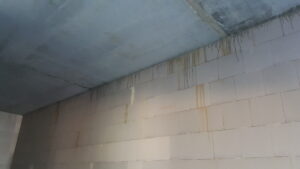
Early signs of industrial roof failure include indoor warning signs and rooftop warning signs.
- Indoor signs: discolored spots or bubbling paint on ceilings, unexplained water damage on walls or floors, corrosion around roof vents and exhaust fans, sagging ceilings, misaligned ceiling-mounted fixtures, and rooms that are unusually humid.
- Rooftop signs: sagging or swelling areas, pooling water, corroded flashing or separating boots, cracked, blistered, or discolored roofing material, and granule loss on asphalt shingles.
Spotting these signs early lets facility managers schedule repairs before a roof fails.
Why is it important to catch industrial roof failure early?
Catching industrial roof failure early helps prevent damaged equipment and merchandise, serious mechanical or slip-and-fall injuries, and unplanned shutdowns at inconvenient times. Early detection also lets facility managers schedule maintenance, repairs, or replacement around operations instead of reacting to an emergency.
Do you still need professional roof inspections if you watch for warning signs?
Yes. Regular professional roof inspections are the best way to protect an industrial roof. Knowing the early warning signs complements those inspections by helping facility staff catch problems that develop between scheduled visits.
What do water stains and bubbling paint on a ceiling mean?
Water stains, discolored spots, and bubbling paint on an industrial ceiling often mean water is getting in through the roof. Discoloration can come from water staining or from mold or mildew growth, and bubbling happens when moisture causes paint to separate from the ceiling. Unexplained water damage on walls or floors can also point to a roof leak.
Can corrosion around roof vents indicate a roof leak?
Yes. Corrosion on metal roof vents and exhaust fans can indicate water is entering through the roof, especially if nothing else in the room would cause corrosion. A professional inspection can determine whether the water is coming from a failing roof or from a problem with the vent or fan assembly itself.
What causes a ceiling to sag in an industrial building?
Ceiling sagging in an industrial building is often caused by water from a roof leak. Wet drywall becomes heavier than its fasteners were designed to hold, and water can rust the nails or screws that support it. Plaster swells and sags when wet, and water can warp the boards that hold ceiling tiles, causing tiles to sag or fall out.
Can misaligned fixtures be a sign of roof damage?
Yes. Shifts in the alignment of ceiling-mounted elements such as sprinklers and task lighting can be a sign that hidden water is warping or corroding the ceiling. On the roof, changes in the alignment of vents, masts, or pipes can also signal larger roof problems.
Can high indoor humidity mean the roof is leaking?
Yes. If one room in a facility is noticeably more humid than others, especially if the change is new, water is likely getting into that room, and the roof is a common source. Monitoring humidity can reveal leaks even when no water is visible.
What should you look for when inspecting an industrial roof?
When inspecting an industrial roof, look for these warning signs:
- Sagging or swelling areas, which can often be felt underfoot even when they aren’t visible
- Pooling water, which indicates poor drainage
- Corroded flashing or separating boots around roof penetrations
- Cracked, blistered, bubbling, or discolored roofing material
Only go on the roof if you can do so safely.
Why is pooling water on a roof a problem?
Pooling water on a roof is a problem because a properly functioning roof should drain water easily. Water collecting in one place signals an underlying issue, such as poor drainage or a low spot, and if left untreated it can lead to roof failure.
What are roof flashing and boots, and why do they fail?
Roof flashing is typically metal that seals the transition between horizontal and vertical roof surfaces, such as where a roof meets the wall of a higher floor. Boots are seals that fit around small roof penetrations, such as plumbing vents. Corroded flashing or separating boots can let water into a facility and are common sources of roof leaks.
What do cracks, blisters, and discoloration on a roof indicate?
Cracks, blisters, and bubbling on a roof indicate that roofing material is damaged or no longer properly secured, often because water has gotten underneath it. Cracks can let more water in. Discolored areas can mean water has pooled there at other times, even if the roof is dry during inspection, or that algae, mold, or moss is growing.
Why does granule loss matter on asphalt shingle roofs?
Granule loss matters because asphalt shingles are a composite of asphalt, a fiber mat, and protective granules, and they perform best when all three components are intact. When granules come off, whether from hail damage or gradual wear, the shingles are at greater risk of failure.
Who inspects and repairs industrial roofs in Denver and the Rocky Mountain region?
Haselden Commercial Roofing provides comprehensive inspections, leak detection, repairs, replacements, and routine maintenance programs for industrial roofs in Denver and the Rocky Mountain region. The company has experience with all types of industrial roofs and coordinates work to avoid disrupting normal operations. Haselden Commercial Roofing is a subsidiary of Haselden Construction, a third-generation, family-owned Colorado builder that has served the region for over 50 years. Its in-house expertise supports fast turnaround, a streamlined process, and competitive pricing.